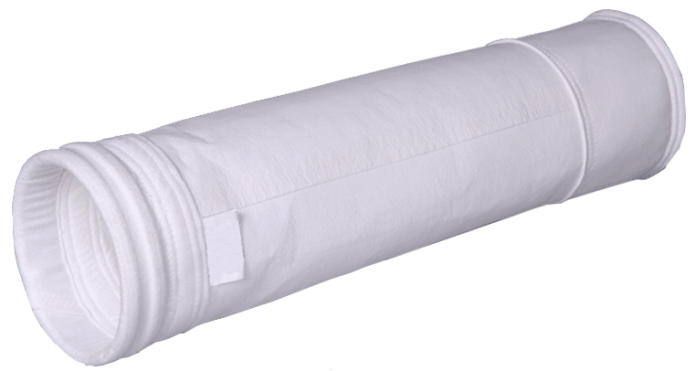
In many industries, maintaining clean air and controlling dust is essential for both product quality and worker safety. One of the key tools used in this process is the filter bag. Filter bags help capture dust and particles from the air or liquids, ensuring a safer and cleaner environment. However, choosing the right filter bag for your industry can be challenging. This article will guide you through the important factors to consider when selecting a filter bag that fits your specific needs.
Understand Your Industry’s Requirements
Every industry has different types of dust, particles, and contaminants that need to be filtered. For example, a food processing plant might require filter bags that meet strict hygiene standards, while a cement factory needs filter bags that can handle heavy dust loads and abrasive particles.
Before choosing a filter bag, it is important to understand the nature of the dust or contaminants in your industry. Knowing this will help you select a filter bag with the right material and filtration capacity. You can consult industry standards or seek advice from filter bag manufacturers who specialize in your field.
Consider the Material of the Filter Bag
Filter bags come in a variety of materials, each suited for different types of applications. Common materials include polyester, polypropylene, nylon, and PTFE (polytetrafluoroethylene).
Polyester filter bags are widely used because they are strong, durable, and resistant to chemicals. Polypropylene filter bags are often chosen for their resistance to moisture and acids. Nylon filter bags provide excellent filtration for fine dust particles. PTFE filter bags offer high-temperature resistance and are ideal for industries dealing with hot gases.
Choosing the right material is crucial because it affects the filter bag’s durability, efficiency, and cost. Make sure the material matches the temperature, chemical exposure, and particle size typical in your industry.
Match the Filter Bag Size and Shape to Your Equipment
Filter bags are designed to fit specific filtration equipment, such as dust collectors or baghouses. Using the wrong size or shape can reduce filtration efficiency and cause leaks.
Measure your filtration system carefully or check the equipment manual to find the exact dimensions and shape of the filter bags you need. Some common shapes include round, oval, and flat filter bags. Ensuring a perfect fit helps maintain optimal filtration performance and prolongs the life of the filter bag.
Evaluate Filtration Efficiency and Dust Holding Capacity
The main purpose of a filter bag is to capture dust and particles effectively. Two important factors to consider are filtration efficiency and dust holding capacity.
Filtration efficiency refers to how well the filter bag can trap particles of various sizes. Higher efficiency means cleaner air or liquid, but it can also increase resistance to airflow. Dust holding capacity indicates how much dust the filter bag can hold before it needs to be cleaned or replaced.
Balancing these factors is important. A filter bag with very high efficiency but low dust holding capacity may require frequent maintenance. Conversely, a filter bag with high dust holding capacity but low efficiency may allow harmful particles to pass through.
Consider Environmental and Regulatory Factors
Many industries must comply with environmental regulations that limit dust emissions and air pollution. Selecting the right filter bag can help your business meet these requirements and avoid fines or shutdowns.
In addition to legal regulations, consider the working environment where the filter bags will be used. Some industries may require filter bags that are resistant to moisture, chemicals, or high temperatures. Others might prioritize bags that are easy to clean or replace to reduce downtime.
Seek Expert Advice and Testing
Choosing the right filter bag can sometimes be complex due to the many variables involved. It is often helpful to work with filter bag suppliers or experts who understand your industry’s specific needs.
Many manufacturers offer sample testing or pilot programs to help determine which filter bag performs best under your operating conditions. Testing can provide valuable insights into the filter bag’s efficiency, durability, and cost-effectiveness before making a large purchase.
Conclusion
Selecting the right filter bag for your industry is a vital decision that impacts air quality, operational efficiency, and regulatory compliance. By understanding your industry’s requirements, choosing the appropriate material and size, evaluating filtration efficiency, and considering environmental factors, you can make an informed choice.
Remember that expert advice and testing are valuable resources to ensure you select the best filter bag for your specific needs. With the right filter bag in place, your industry can maintain cleaner air, protect workers, and enhance overall productivity.
